
Why I started Rizzuto Psychiatry and Wellness
Why I built a telehealth practice around listening first, deciding together, and treating you like the person you are.
Read the post →Personal notes, reflections on mental health, and glimpses of my life outside the practice. Written to connect, not to lecture.
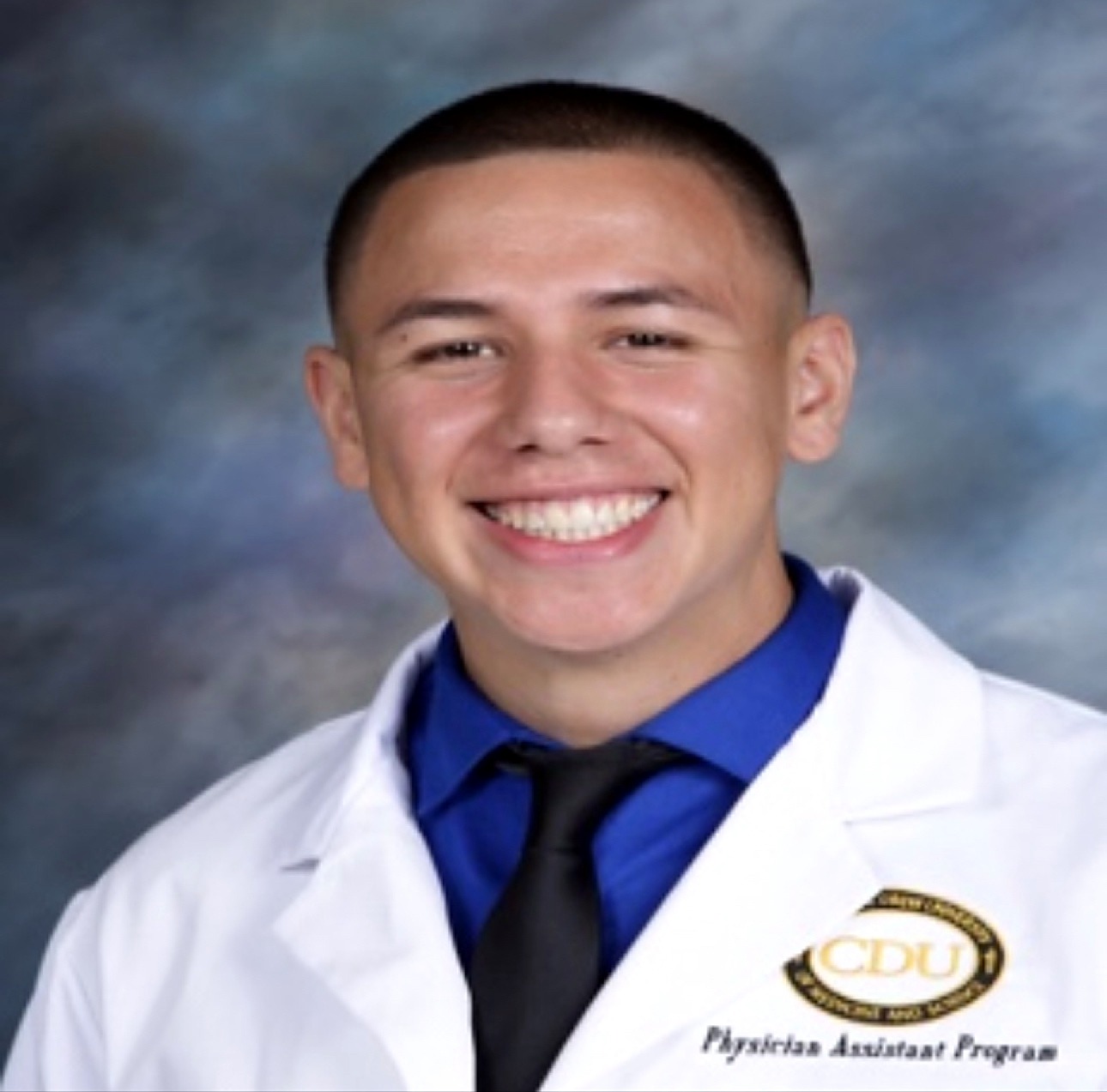
Why I built a telehealth practice around listening first, deciding together, and treating you like the person you are.
Read the post →
Raised to care for my neighbor and protect those who cannot protect themselves. Why I became a 65D and what service taught me about helping people through difficult times.
Read the post →
I lost my Doberman Ace at age four to dilated cardiomyopathy. What research tells us about pet loss grief, guilt, and giving yourself the same kindness you gave them.
Read the post →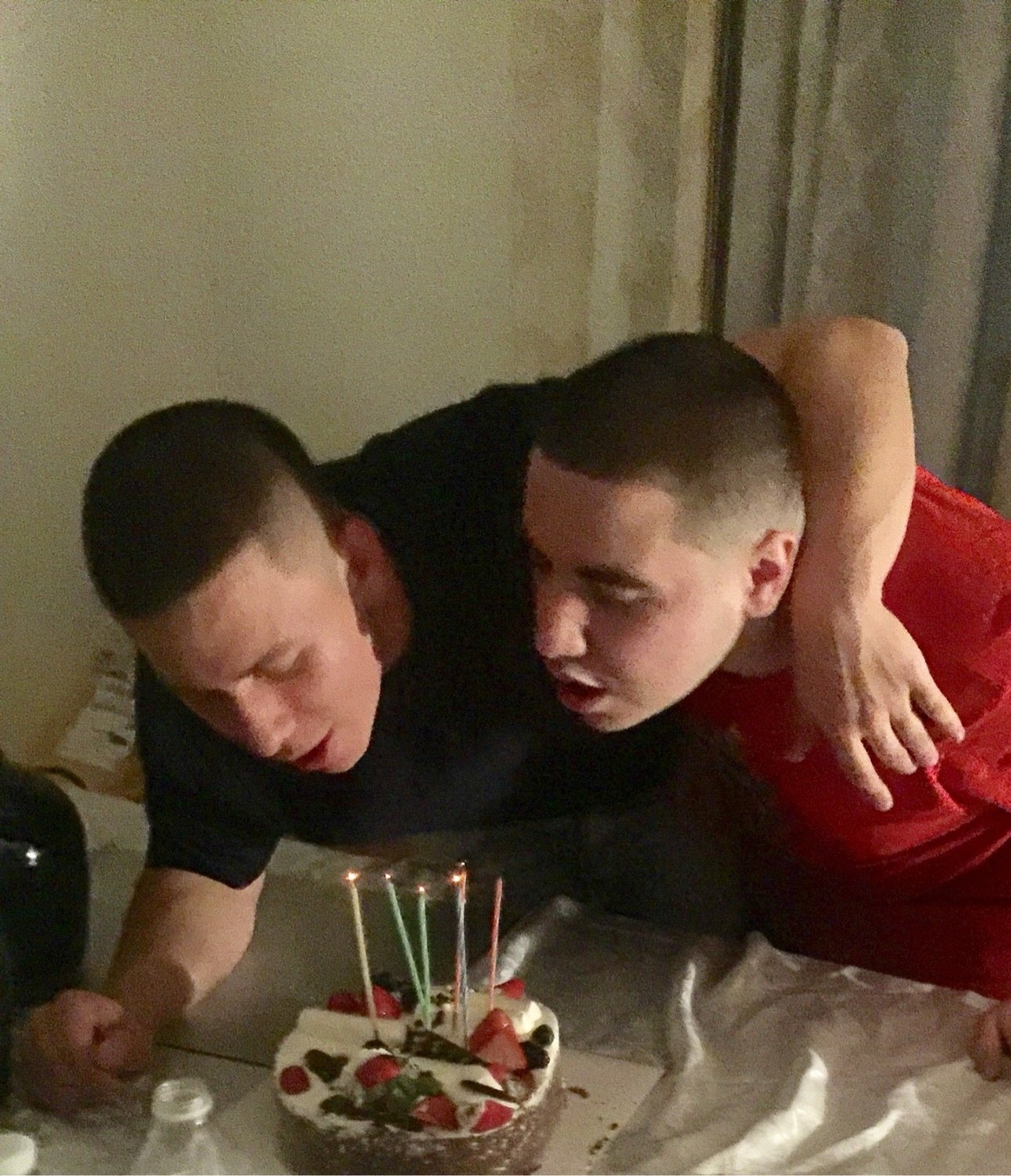
Growing up with my brother Mario, who has autism, taught me to mature fast and care deeply. He is the reason I chose psychiatry.
Read the post →
My wife Elizabeth taught me about love language. What it takes to grow a relationship: learning your partner's language, returning to your foundation, and keeping your vows.
Read the post →
Medication should help you feel like yourself. Here is how I think about dosing, side effects, and deciding together.
Read the post →
Patients get about eleven seconds before being interrupted. Here is what the research shows, and why my visits start with your words.
Read the post →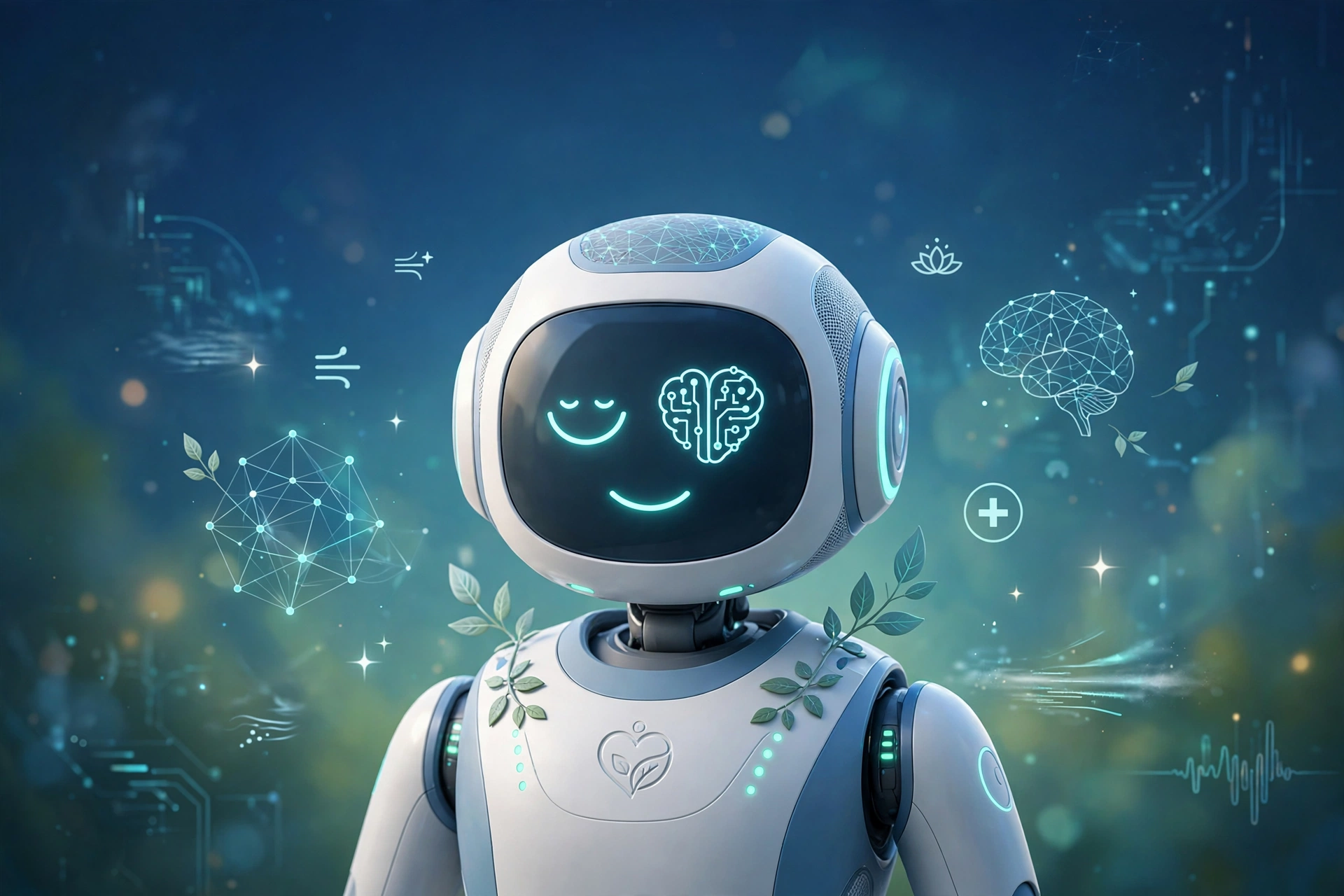
Therapy chatbots ease depression in clinical trials while recommendation feeds harm teenagers at scale. Here is what the research actually shows, and why the human relationship still matters most.
Read the post →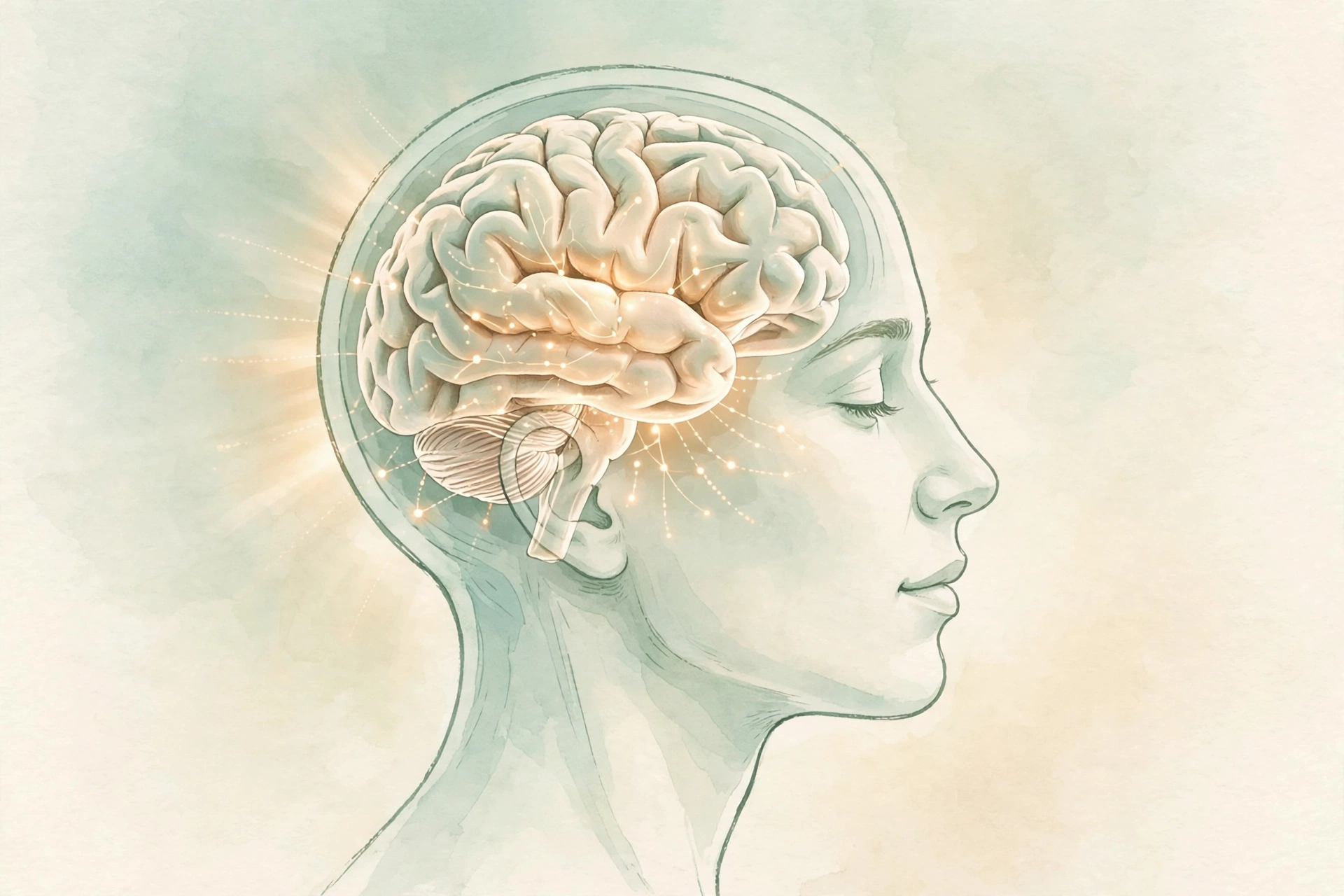
Waiting years for help is common, and the brain keeps score. What research shows about untreated depression, psychosis, and anxiety, and why it is never too late to start.
Read the post →
Panic feels like dying but it is your alarm system misfiring. Therapist taught tools for the moment it strikes: slow breathing, the 5 4 3 2 1 senses method, cold, and talking back to the thought.
Read the post →
CBT, DBT, somatic work and exposure therapy sound similar but they are not the same. Here is what each one does, who it fits best, and how to choose.
Read the post →
When depression has not lifted with medication, two brain stimulation treatments come up. What TMS and ECT are, how they differ, and when each is considered.
Read the post →
Ketamine can lift severe depression within hours instead of weeks. How esketamine nasal spray is used in clinics, what the trials show, and who may be a candidate.
Read the post →
Craving is brain chemistry, not weak character. How gabapentin reduced cannabis use and withdrawal in a clinical trial, and why medications deserve a place in recovery.
Read the post →
Naltrexone quiets the reward buzz alcohol gives, so one drink is less likely to turn into ten. It is also half of a weight management medication. The science behind both uses.
Read the post →
The FDA approved centanafadine in July 2026. What it is, why the mechanism is new, the side effects, the cost question, and when it can actually be prescribed.
Read the post →
Why fall pulls some moods down with the light, what the research says about morning light therapy, and when a seasonal slide deserves real care.
Read the post →
The first pill changes your brain chemistry within hours, but mood takes weeks. What your brain is quietly building in the meantime, and when to expect results.
Read the post →
You fell asleep fine, then 3am arrives with a racing mind. Why sleep gets fragile in the early morning hours, and what the research says actually helps.
Read the post →
The hippocampus shrinks under long untreated depression, and each episode leaves a trace. Why starting treatment protects the brain, and how movement helps it rebuild.
Read the post →
Fluvoxamine, fluoxetine, sertraline, and paroxetine all treat OCD, but they differ in important ways. Why OCD needs higher doses and longer trials, what makes Luvox unique, and how prescribers choose.
Read the post →
Women entering perimenopause face two to four times the risk of depressive symptoms. Why hormone fluctuation matters more than hormone levels, and what good evaluation and treatment look like.
Read the post →
What happens in therapy once panic attacks have started: cognitive restructuring, interoceptive exposure, expectancy violation, and why the goal is no longer to feel calm during exposure.
Read the post →
Methylphenidate blocks reuptake while amphetamines also drive release. How two stimulant classes differ in mechanism, timing, and clinical use.
Read the post →
A positive amphetamine result is expected when you take prescribed stimulants. Why it happens, how clinicians read it, and what to tell the lab.
Read the post →
Cold medicines with pseudoephedrine can trigger a preliminary positive for methamphetamine. The cross reactivity research and why confirmatory testing settles it.
Read the post →
ADHD medications are not milder meth. What the chemistry and the neurotoxicity literature actually show about therapeutic stimulants versus methamphetamine.
Read the post →
Weight, sleep, heart, and hormones: an honest tour of what long term studies show about SSRIs, SNRIs, stimulants, non stimulants, trazodone, and zolpidem.
Read the post →
Anticholinergic drugs have been linked to dementia risk in large cohort studies. Where hydroxyzine sits on that spectrum and what the evidence does and does not prove.
Read the post →
Stimulants raise blood pressure and heart rate modestly on average. Why monitoring matters, what the cardiovascular trials found, and when prescribers reconsider treatment.
Read the post →
Loneliness is not about how many people you know. What research says about connection, depression, and the threat scanning brain, and the small repeated steps that rebuild it.
Read the post →
The first bipolar episode usually has a clear trigger. Later ones can arrive on their own. What the kindling hypothesis says about untreated episodes, why earlier treatment works better, and why it is never too late to start.
Read the post →
Why worries grow louder after dark, what sleep science says about the tired brain, and the practical steps that break the bedtime worry loop.
Read the post →
Untreated PTSD can shrink the brain's memory center and raise long term risks. What imaging research shows about the trauma brain, and the evidence that treatment can rebuild it.
Read the post →
Why the same nervous system snaps at small annoyances and goes numb at big ones, what the window of tolerance says about stress, and the simple practices that widen it.
Read the post →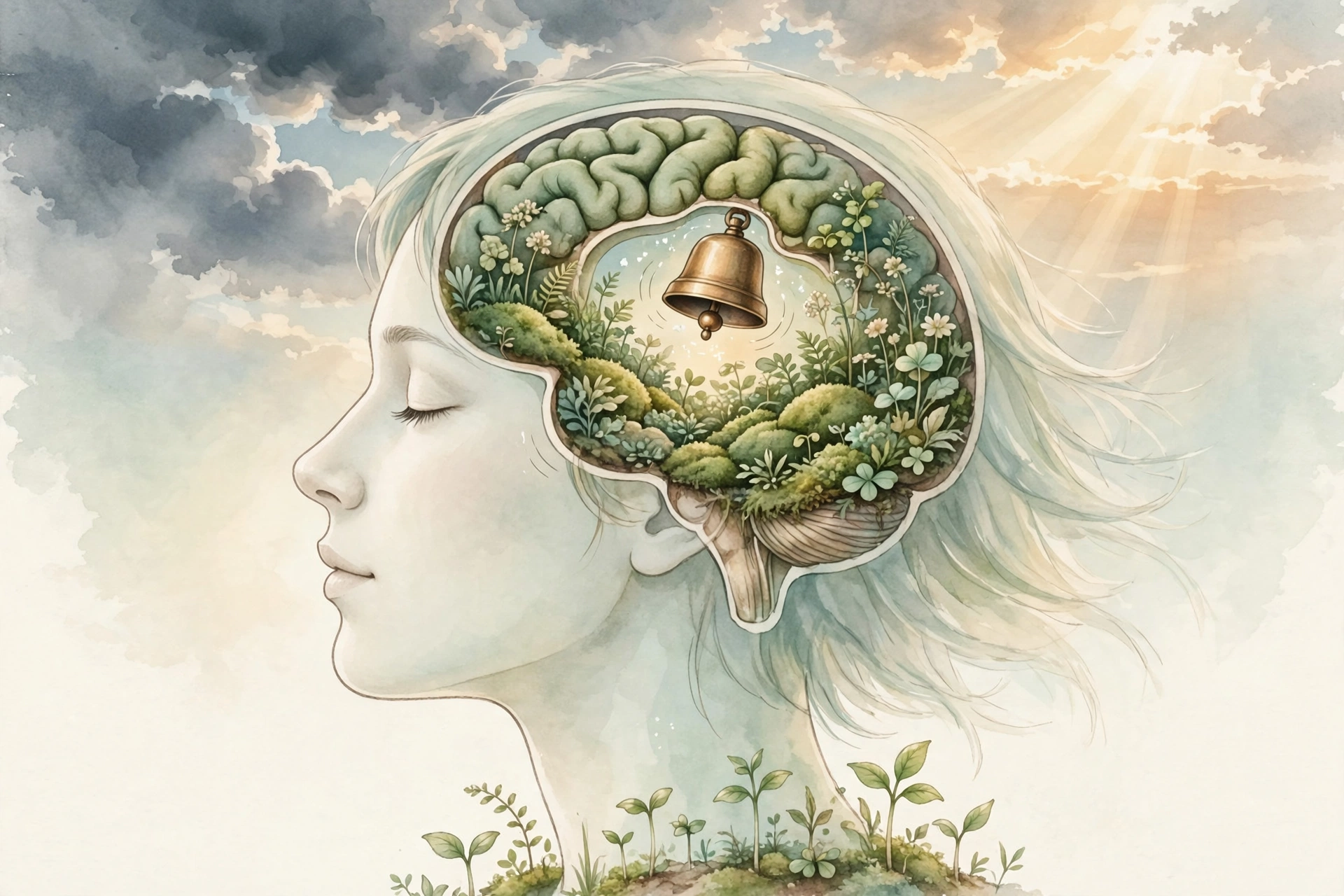
Brain imaging shows anxiety as an overactive amygdala alarm with a quiet prefrontal brake, and shows both medication and therapy retraining the circuit. Why reassurance never works, and why the anxious brain can learn calm.
Read the post →I would love to hear it at your next visit. This space will keep growing with the questions patients actually ask.