
The cost of waiting: what untreated mental illness does to the brain
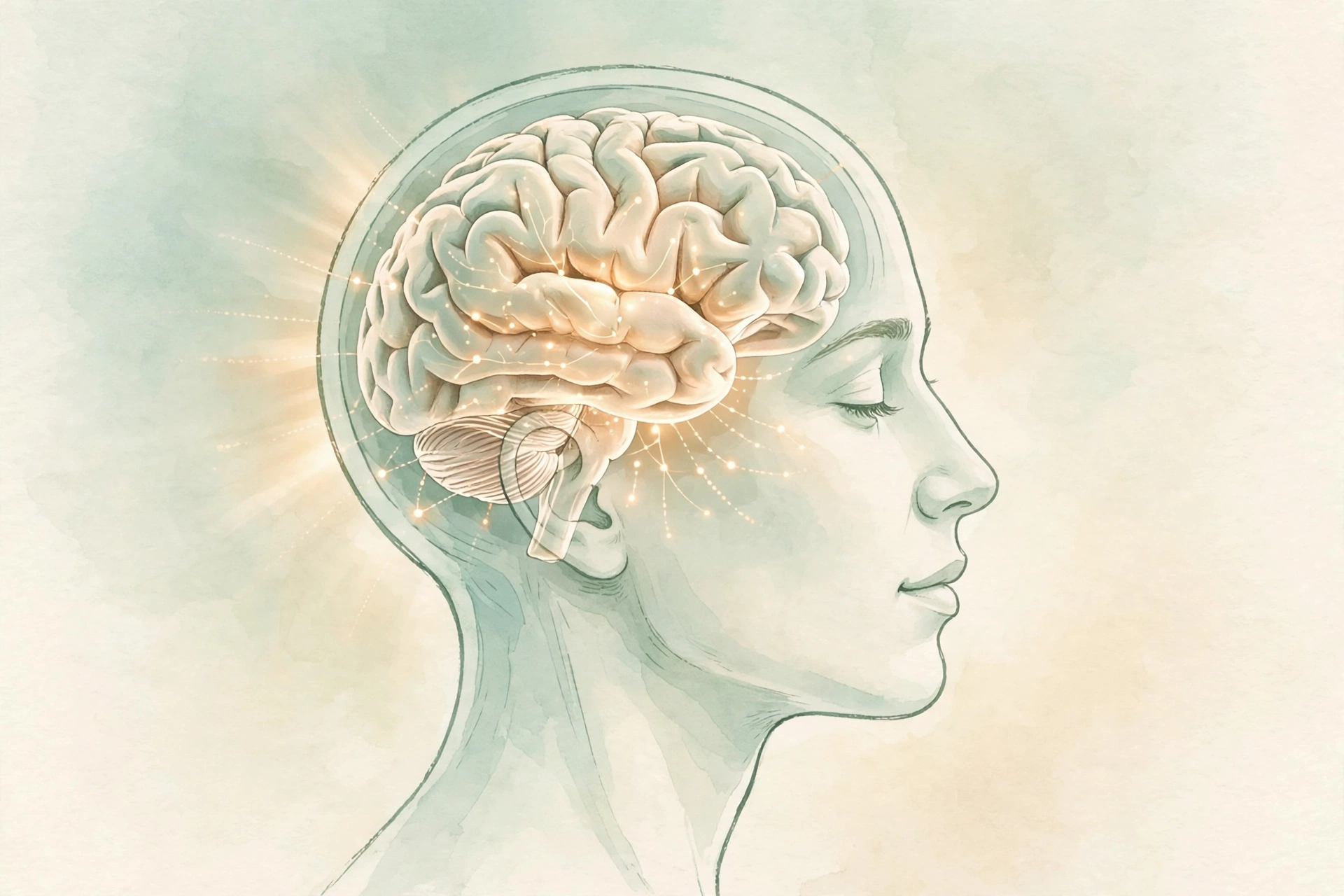
Most people wait years before they get help for a mental health condition. Not because they do not care, but because life is busy, the stigma is real, and it is easy to tell yourself it is not that bad yet. I understand that. I also want you to know what the science says about waiting, because the brain keeps score even when we try not to.
Depression is the most studied example. Researchers found that the longer a person lives with untreated recurrent depression, the smaller the hippocampus becomes. The hippocampus is the part of the brain that handles memory and learning. This is not about willpower. It is about what chronic illness does to living tissue when it goes untreated.
Psychosis tells a similar story. A large analysis of first episode studies found that the longer psychosis went untreated, the worse the outcomes were, including more severe symptoms and a lower chance of full recovery. With psychosis especially, earlier treatment is linked to better long term results.
Anxiety and chronic stress wear the body down too. A meta analysis of twenty prospective studies found that anxiety was linked with a 26 percent higher risk of developing coronary heart disease, independent of demographics, biological risk factors, and health behaviors. Years of untreated anxiety are also tied to weaker immune function and poorer sleep, and poor sleep then feeds the anxiety right back. It becomes a loop, and the longer the loop runs, the harder it is to break.
Here is the part I need you to hear. The brain can recover. Treatment works, and people get better even after years of struggling. Earlier is better, but it is never too late. Every week you wait is a week your brain spends in a state it was not built to stay in. You do not need to hit rock bottom to deserve help. You only need to decide that you are worth the appointment.
Anthony
Sources: Sheline YI et al., Journal of Neuroscience (1999), depression duration but not age predicts hippocampal volume loss in medically healthy women with recurrent major depression, PMID 10366636. Marshall M et al., Archives of General Psychiatry (2005), association between duration of untreated psychosis and outcome in first episode cohorts, PMID 16143729. Roest AM et al., Journal of the American College of Cardiology (2010), anxiety and risk of incident coronary heart disease, a meta analysis, PMID 20620715.